Just keep cutting/burning it every couple days. It will die eventually.
Lol good luck with that!
Well we had it in our backyard and did exactly that. It’s not there anymore.
Fine, I will plant mint instead.
Actually considering mint for the front garden though. It’s a narrow strip of dirt surrounded on all sides by 10+ metres of paved land. Hopefully it would be less thirsty than using pots and tbh all that is growing in it currently is thorns.
We have a thin strip of mint that’s exactly what you described. Fresh mint all spring and summer is great for a variety of reasons, plus it smells good. That said, we’re constantly fighting runners trying to grow in every conceivable crevice. It tries to grow in the cement expansion joints and in the joint between our house and sidewalk by the door.
The strip of land is a little distance from the house, tbh the thorns currently growing in it try and come up through the gaps in the concrete or snake their way through the gravel. At least mint doesn’t hurt.
Not culinary but if you’re looking for flowers can I suggest mints more prettier cousins nepeta and salvia nemerosa
But the entire point of growing something is to eat it. Or be useful in some way at least, considered bamboo for free canes but it sounds like it can damage concrete around it and even clumping bamboo would try and grow larger than the space I have fairly quickly due to the narrow width.
Growing food plants to eat, yes, the point is to eat.
Growing non food plants, the primary purpose is to support your ecosystem. Bugs pollinators birds etc. They rely on native plants only, and need them to survive.
Beyond that people also like the look of flowers and having them grow or thrive over time.
Good on you for not willfully growing something invasive or non native like bamboo (assuming it’s not in your native range)!
The impression I get is some types of bamboo can grow non invasively, though not native either. But would need more space to grow and may not be a great yield in the first place grown in the UK.
Helping bees is always a bonus, in my back garden I have chives and sage that both get quite a bit of attention from the bees. Also growing thyme and rosemary but they don’t seem to care for that. Poppy patch is also loved by bees, was hoping to use the poppy seeds for baking but don’t really get that much. Shitloads for growing more poppies but not very useful to eat.
When I planted the lawn (was previously concrete paved across the entire garden) I used a mix of meadow grass and clover, but the clover hasn’t really done much which is a shame. Don’t care for obsessively treated lawns, it’s a space to sit down. Not certain, maybe park grass would have been better? Don’t really know tbh, ideally want something that will grow deep roots and is never going to have artificial fertiliser or any other treatments because fuck that effort and money.
Probably never going to water it either, beyond maybe dumping not too filthy waste water on it if available. Currently got 300L combined of rainwater storage, but that is reserved for the plants I can eat.
The mixed lawn is great mostly because it’s less maintenance. The clover doesn’t really do that much as a flower, it’s more the lack of needing to constantly water or use herbicides that make it so beneficial.
Same goes for any non native flower. Yes, generalist bees visit them. It’s not helping your ecosystem though. Only plants native to you will benefit the ecosystem. The food source of non natives does not feed all insects nor is as nutritional to the ones who use it. And they can’t serve as host for any notable number of beneficial bugs. Instead, they’ll displace better native plants, and amplify bad non native bugs (which in turn will further harm native insects)
Obviously a general exception to food plants. Unless it’s a known or potentially invasive one (e.g. Bradford pears in southern US cause brutal invasives), you’re not going to really get a native food plant, you’re growing them for food not for the ecosystem.
While there are less aggressive types of bamboo, the point is it does not belong in your ecosystem. There’s better options. Also native plants sited right (light level) will require like no maintenance to keep alive :) It needs help when you plant it esp if you’ve got a drought, but that’s it. Getting a partially grown one from a native store (garden centers don’t tend to actually carry natives) is a solid strategy
This finder looked fun: https://buynative.co.uk/plants/
Anyways, overall it sounds like you’ve been thoughtful about your yard space so you’re already doing great ;) send pics!
Clover is native to the UK. It just didn’t really grow much in my garden. That site listed daisies though, might see if they like to grow in the lawn instead.
If you haven’t had bamboo before, can also spread unpredictably and it’s more difficult to get rid of than you expect. The varieties that tend to grow smaller are worse.
That’s the only safe place to plant mint.
I just planted Mint into my computer
How is your digital garden now?
It started OK, but now I’ve got cinnamon everywhere.
Nice.
Now to work out how to eat it and ideally says of preserving it too. Mint jelly but it needs apples in season really. I guess an unset syrup should also have a long shelf life as it’s the sugar that preserves it.
You will plant native plants, you mean
I think spearmint is native to the UK. Also got rosemary, thyme, chives, sage. Plus a raised planter with a mix of opium poppies.
rosemary
have a few new and a few mature rosemary bushes and wow, they flower and attract pollinators, they provide free rosemary for cooking and baking bread (HIGHLY RECOMMEND), they require very little love or attention and grow BIG if you let them.
+1 would plant again
Mine haven’t flowered that much yet, but perhaps stress from transplanting them could be involved and they are still growing larger. Would be nice to see them flower as I have seen others that look quite nice when they do.
Will look into the bread, got sourdough starter so may use that.
Mint’s a native plant.
Native means native to your area, so “mint” is a really broad plant. Whatever you get from the garden store is probably originally from Europe. But if you were like in New England and found Mountain Mint, then it’s probably native. So it depends - and only the actually native one is good for the environment.
Let me present you this one:
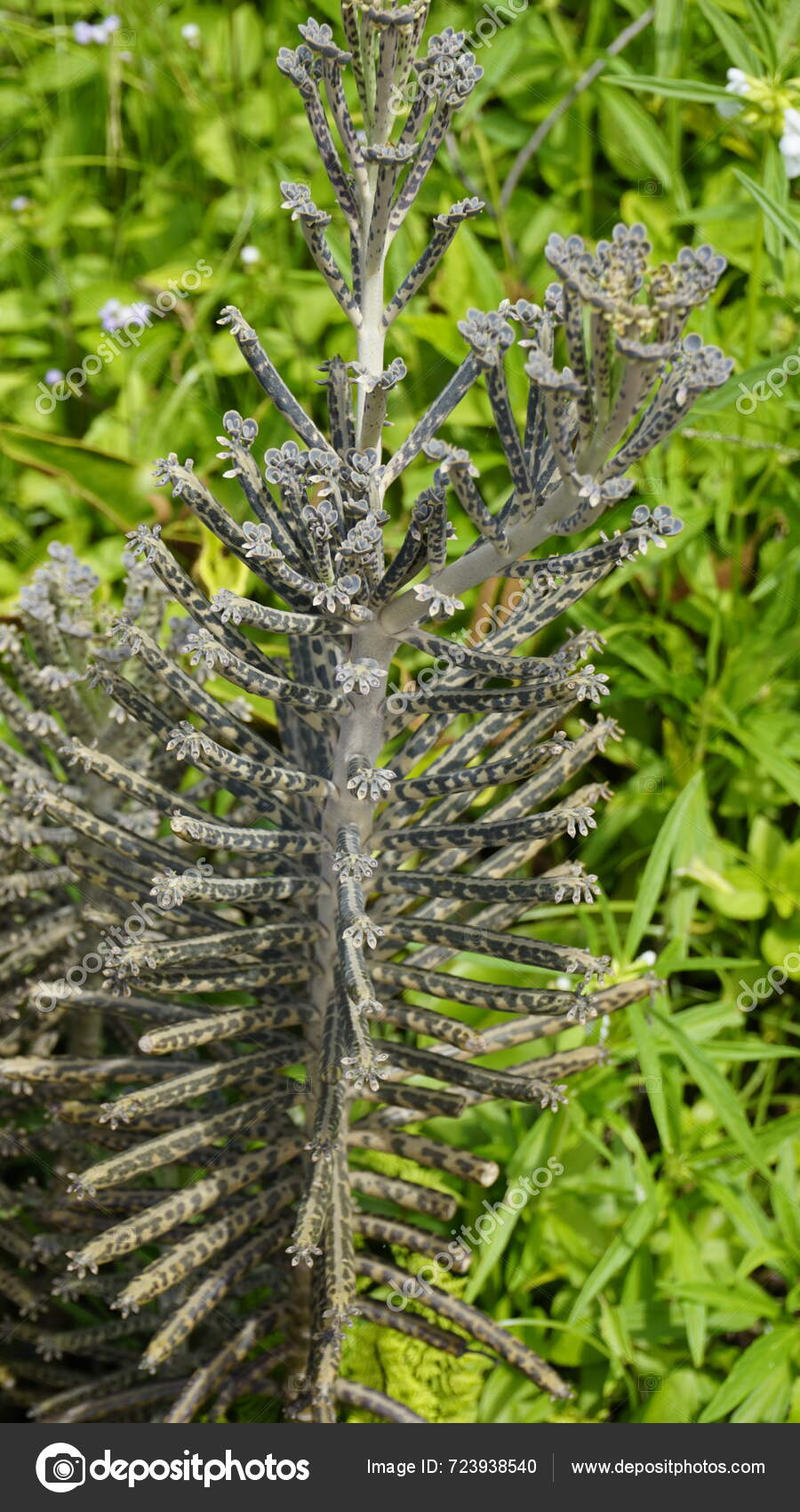
That is incredibly unsettling. What is it?
Kalanchoe daigremontiana
I know it as Mother of Millions
And they tend to grow in any place, including small spaces or cracks in the floor or walls. They spread through different methods and can quickly fill your yard, your street, your house, and everywhere else.
But they also grow a beautiful flower and attract hummingbirds
AMA on how to deal with your invasive plants
Robinia are taking over unmaintained areas like construction grounds and the edge of the forrest. Some in the forest are full size.
What can I do against them spreading?Fuckinnn black locust. You’re talking about places off your property right? Rough.
One thing is spreading awareness that non native plants are bad and invasive plants are majorly damaging. I think focussing on native plants in someone’s home is a great angle. Gardening is something actually in people’s control and thus something they would be willing to consider. Notable points I try to get across:
- your local amazing bug (e.g. monarch butterflies) will all die without the specific native plants they need to survive
- pollinators love native plants more than non native
- Native plants are far more interesting than whatever you get at the garden store for looks
- Natives are dumb easy to maintain. Especially if ppl just buy partially grown ones. Just help it establish, in mostly the right area, and they will thrive
- It’s good for the environment. Non natives cannot support our ecosystem and actively damage it.
Beyond that? You’d have to also start specific campaigns against specific invasive plants and go do group attacks on those plants. Your local green organization will usually be good for organizing and getting volunteers, as well as navigating where you can actually go. It’s a big effort and a lot of work, especially for such noxious plants like full grown trees. But it can make a difference over time
People know, it’s just to much work to get rid of them permanently.
Guess I will stick to uprooting the ones I can pull out in the woods and cutting along fences where they hang over.
It really is. I’m not sure we can ever be permanently rid of them too.
My garden patch converted entirely to mint by the end of the warm season. What do?
Is it a small enough patch that you could dig it all out? Mint spreads through rhizome roots, so if you dig out most of the roots, you’ll be able to easily manage any new roots. It’s also just preferable to the poison methods when possible
I can dig it all up yeah. Are the roots easy enough to identify so I know I’ve got them all?
Whenever doing mechanical removal, especially with rhizome roots, you’re not gonna get them all. Don’t focus on that either.
They are like a battery, storing all their energy in the roots for winter and shooting back up during the growing season. If you remove the bulk, you’re robbing the plant of a lot of battery, making it less able to pop up.
You’ll have it come back. But in smaller amounts, which you can just hand pull as they do, eventually totally starving it.
There are certainly ways to find more roots, or times to pull (like rain or after it grows up) or other methods (like a foliar spray), but these all cost more time or include using poisons in your garden. Instead, just dig it, pull as it crops up, and see how it goes. It will likely be enough for less time and let you get into planting stuff.
Also bear in mind: your garden soil also has a seed bank ready to go, so once spring hits you’re gonna get all kind of stuff growing there. If you’re planning to grow your own stuff (food plants or native flowers), then you’ll want to plant those partially grown after you dig, use a mulch for a year or so, and keep weeding. Eventually your planted plants will establish and inhibit other plant growth.
They are like little brittle twigs. They will break into many pieces and will grow anew next season. But you can just pull them out again then. At least they won’t spread further.
tea?
eDIT : lamb roast.
Home made tooth paste
It’s time for tzatziki sauce on everything